
Family guide
49 activities

Learning science by experimenting at 9–11: the Science & Simulation Lab and the Young Creators Showcase
In the Science & Simulation Lab, a child first makes a prediction, then changes the variables in a live simulation and answers evidence questions by reading the results. Every desk…
Explore →
Why do 9–11-year-olds need a different screen? A new section for older kids in the Kids Studio
Most 9–11-year-olds read on their own and quickly lose interest in screens designed for younger children. So we built a separate section of the Kids Studio for them, with no charac…
Explore →
10 coding games for kids: screen-free, with paper and toys
You don't need an expensive robot kit to learn coding. Ten games played with paper, pencils and a few toys, arranged by age, plus questions to ask afterwards.
Explore →
How to teach kids coding: a starter guide for ages 3-8
You can start coding with a game about putting steps in order, no computer needed. Examples for ages 3-4, 5-6 and 7-8, what makes a good activity, and mistakes to avoid.
Explore →
What do young children actually get from learning to code?
Coding for preschoolers doesn't mean sitting at a computer. How play can build sequencing, planning and debugging skills, and what the research really says.
Explore →
Scary characters in fairy tales: what to do when your child is frightened
Giants, wolves, sly foxes… How to read the scary part of a fairy tale with a 3-8 year old, what to talk about, and what research says. A parent guide with sources.
Explore →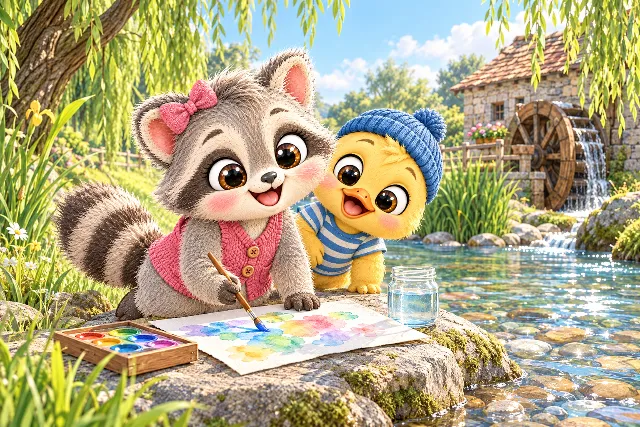
From coloring page to story: talking and reading together while kids color
A coloring page with a story character can lead into conversation and shared reading. What to ask before, during and after coloring, by age.
Explore →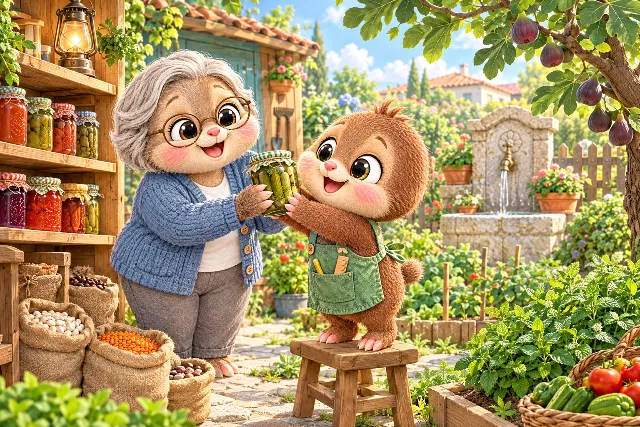
Educational coloring activities for preschool and kindergarten
A plain coloring page can become a small lesson in colors, counting, sorting or feelings with a few good questions. Ideas for home and the classroom, with free PDFs.
Explore →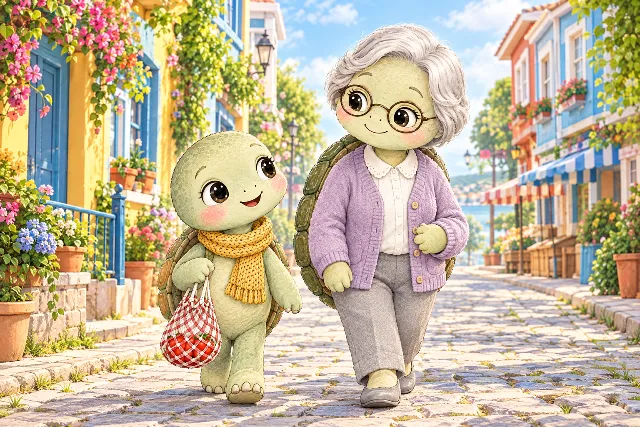
Coloring pages by age: how to choose for ages 2 to 8
Big shapes for toddlers, busy scenes for kindergarten, fine detail for early readers. What to look for in a coloring page at each age, and how to print one well.
Explore →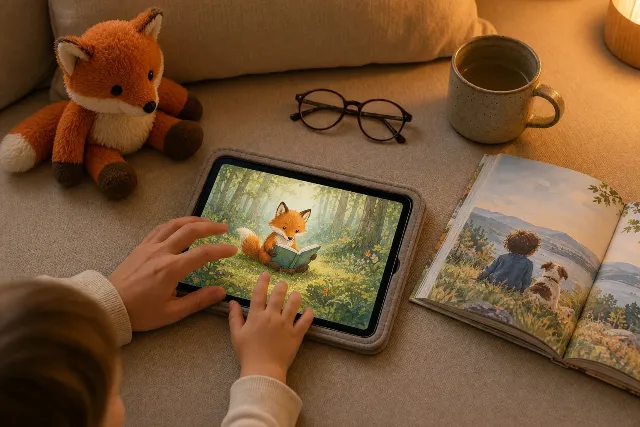
Parent-Controlled Screens: When Can Digital Reading Help Young Children?
When can digital reading help young children? What screen time guidance, e-book research, ad-free design and reading together tell parents, with sources.
Explore →
How to use a story collection: Bringing reading, listening and discovery together
Explore Story Globally collections flexibly with shared reading, listening, colouring, puzzles and discovery, without a completion checklist.
Explore →
My child leaves activities unfinished: When to help and when to pause
Practical guidance on small cues, difficulty and breaks when children leave activities unfinished, informed by developmental research.
Explore →